
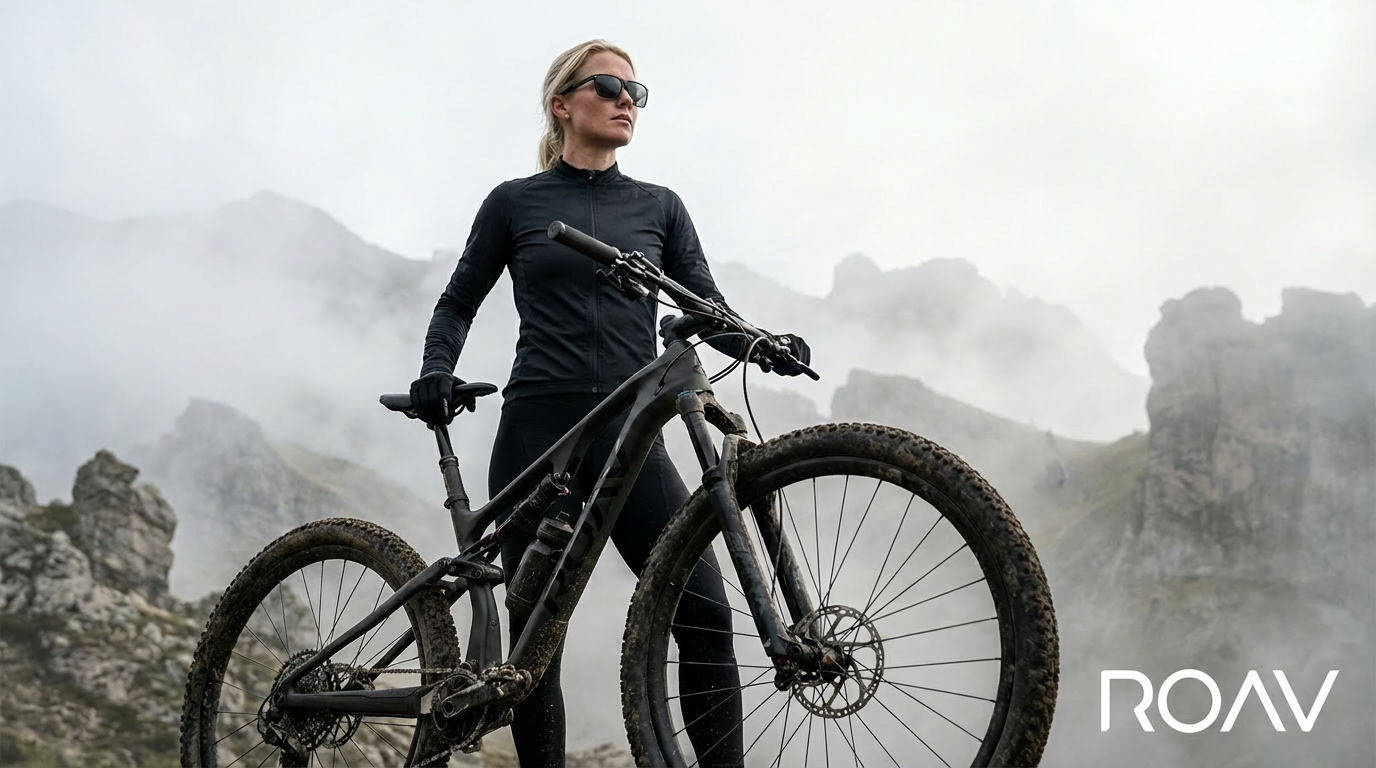
Cycling Sunglasses Buyer’s Guide 2026: Everything You Need to Know
Een goede fietsbril is een van de meest onderschatte uitrustingsstukken voor iedere fietser. Of je nu dagelijks naar je werk fietst, elke zaterdag een lange toertocht maakt, de bergen ingaat voor een MTB-avontuur of voluit gaat op de racefiets: je ogen verdienen optimale bescherming. Zonder fietsbril riskeer je niet alleen pijn aan je ogen door wind, stof en insecten, maar ook gevaarlijke verblinding door felle zon of reflecties van nat asfalt.
In deze fietsbril koopgids van 2026 behandelen we alles wat je moet weten om de juiste keuze te maken. Van de technische specificaties tot het verschil tussen een fietsbril voor dames en heren, van goedkope instapmodellen bij Decathlon tot premium wielrenbrillen van Oakley, en van gewone fietszonnebrillen tot modellen op sterkte. We leggen ook uit waarom polariserende glazen voor fietsers bijzonder interessant zijn, en hoe opvouwbare brillen zoals die van ROAV een slimme oplossing bieden voor recreatieve fietsers die stijl en functionaliteit willen combineren.
Waarom Heb Je Eigenlijk een Fietsbril Nodig?
Veel fietsers denken dat een gewone zonnebril voldoet tijdens het fietsen. Dat klopt in beperkte mate, maar een echte sportbril voor fietsen biedt een reeks voordelen die een normale zonnebril niet heeft.
Bescherming tegen wind en stof. Als je fietst, rij je met snelheden van 20 tot soms meer dan 50 km/u door de lucht. Zonder oogbescherming drogen je ogen snel uit door de wind, en vliegende stofdeeltjes, zand en insecten worden een serieus risico. Niets is gevaarlijker dan een bij die recht in je oog vliegt tijdens een afdaling op de racefiets.
Betere zichtbaarheid in wisselende lichtomstandigheden. Tijdens een fietstocht verander je continu van omgeving: van open zonnig terrein naar schaduwrijke bospaadjes, van lichte wegdekken naar donkere tunneltjes. Een fietsbril met de juiste lens helpt je ogen zich sneller aan te passen en houdt het zicht helder en scherp.
UV-bescherming voor je ogen. UV-straling is niet alleen schadelijk voor je huid maar ook voor je ogen. Langdurige blootstelling zonder bescherming vergroot de kans op staar en andere oogaandoeningen. Elke kwalitatieve fietsbril biedt minimaal UV400-bescherming, wat betekent dat alle schadelijke ultraviolette straling geblokkeerd wordt.
Aerodynamica en comfort. Een goed aansluitende sportbril voor fietsen zit stabiel, klept niet op bij windvlagen, en zorgt voor minder weerstand. Dat klinkt misschien overdreven voor recreatief rijden, maar je merkt het verschil direct aan het comfortniveau na een langere rit.
Welke Soorten Fietsbrillen Zijn Er?
Niet iedere fietsbril is hetzelfde. Het aanbod is breed en de keuze hangt grotendeels af van hoe en waar je fietst. Dit zijn de belangrijkste categorieen.
Wielrenbril (voor racefiets en gravel)
Een wielrenbril is speciaal ontworpen voor de racefiets, tijdritfiets of gravelfiets. De kenmerken zijn aerodynamisch, nauwsluitend en licht. Wielrenbrillen hebben vaak slechts een groot lens (shield-design) die het gehele gezichtsveld beschermt en wind buiten houdt. Ze worden gemaakt van ultralichte materialen zoals TR90 of carbonversterkt nylon.
Wielrenners rijden vaak in een gebogen aerohouding, waarbij de bril goed op zijn plek moet blijven. Neuspads van rubber en rubberbehandelde pootjes voorkomen dat de bril afschuift bij zweet. Populaire wielrenbrillen komen van Oakley (Jawbreaker, Radar EV), 100% (Speedcraft), Rudy Project en AGU.
MTB-bril (voor mountainbike)
Een MTB-bril moet bestand zijn tegen een ruwe omgeving. Hier gaat het om bescherming bij hoge snelheden op ongelijk terrein, waarbij takken, steensplinters en modder in het spel kunnen komen. MTB-brillen zijn robuuster dan wielrenbrillen, met dikkere frames en bredere lenzen. Voor enduro en downhill kiezen veel rijders voor een MTB-goggle in plaats van een bril, die een volledig afgedicht ooggebied geeft.
Voor cross-country en trail wordt vaker een open bril met uitwisselbare lenzen gekozen. Merken als Smith, POC, Bollee en 100% zijn toonaangevend in dit segment.
Stads- en recreatiefietsbril
Voor dagelijks fietsgebruik in de stad of recreatieve fietstochten zijn de vereisten anders. Hier telt comfort, stijl en veelzijdigheid net zo zwaar als pure sportprestaties. Veel stadsfietsers kiezen voor een iets klassiekere look die ook buiten de fiets gedragen kan worden.
Dit is ook het segment waar een fietszonnebril en een gewone gepolariseerde zonnebril dichter bij elkaar komen. Een goede fietszonnebril voor stedelijk gebruik heeft UV-bescherming, zit comfortabel tijdens een rit van 30 minuten tot een uur, en past bij je dagelijkse outfit. Merken als Decathlon (B’Twin), AGU en ROAV zijn in dit segment interessant.
Toerfiets- en e-bikebril
Toerfietsers en e-bikers rijden vaak langere afstanden in wisselende omstandigheden. De bril moet comfortabel zitten over langere perioden en goed presteren bij zowel felle zon als bewolkte hemel. Uitwisselbare lenzen zijn hier een grote plus: je begint met een getinte lens als de zon schijnt en wisselt naar een gele of heldere lens als het bewolkt wordt.
Fietsbril Dames vs. Fietsbril Heren: Wat Is het Verschil?
De vraag of een fietsbril voor dames verschilt van een fietsbril voor heren is een veelgestelde. Het eerlijke antwoord is: ja, maar de verschillen zijn minder groot dan bij kleding.
Het belangrijkste verschil zit in de maat. Vrouwen hebben gemiddeld een iets smaller gezicht en een kleiner hoofd dan mannen. Een fietsbril heren heeft daardoor een bredere brug (het gedeelte over de neus) en langere pootjes. Een fietsbril dames is doorgaans smaller afgesteld, heeft een engere brug en kortere pootjes.
Daarbij bieden fabrikanten in de dameslijnen ook andere kleuren en soms andere lensvormen. Een cat-eye invloed of een rounder montuurvorm komen in damesmodellen vaker voor dan in herencollecties.
Wat je echter nooit puur op sekse moet baseren, is de keuze voor een specifiek model. Als je als vrouw een brede brug hebt, pas je wellicht prima in een herenbril. Als je als man een smal gezicht hebt, kan een damesmodel juist beter passen. Gebruik altijd de maatvermeldingen van de fabrikant (montuurbreedte in mm, brug in mm, pootlengte in mm) als leidraad en laat je niet alleen leiden door de afdeling waar de bril hangt.
Fietsbril op Sterkte: Opties voor Brildragers
Brildragers zijn voor lange tijd een ondergeschoven groep geweest bij fietsbrillen. Gelukkig zijn er inmiddels meerdere goede oplossingen.
Optie 1: Over-glasses (OTG)
Een over-glasses fietsbril is een sporty model dat over je gewone bril heen gedragen kan worden. De meeste grote sportbrilmerken bieden OTG-varianten aan. Voordeel: toegankelijk en voordelig. Nadeel: minder nauwsluitend, minder mooi, en bij intense inspanning kan de binnenbril gaan beslaan.
Optie 2: Clip-in systeem
Sommige fietsbrillen zijn uitgerust met een clip-in frame aan de binnenzijde. Je laat op recept een optisch inzetje maken dat in de bril klikt. Je draagt dan alleen de sportbril, met jouw sterkte ingebouwd. Dit systeem wordt gebruikt door o.a. Oakley (Jawbreaker met Advancer), Rudy Project en Bollee. Het voordeel is een goede aansluiting en het volledige profijt van de sportbril. Het nadeel is de extra kosten voor het optische inzetje.
Optie 3: Fietsbril op sterkte op maat
Een toenemend aantal opticiens biedt aangemeten sportbrillen op sterkte aan, waarbij de glazen rechtstreeks in een sportmontuur geslepen worden. Dit is de meest comfortabele en optisch ideale oplossing, maar ook de duurste.
Optie 4: Contactlenzen plus normale fietsbril
Veel brildragers kiezen ervoor om tijdens het sporten contactlenzen te dragen en daarna gewoon een sportbril of fietszonnebril op te zetten. Dit is voor velen de praktischste en voordeligste oplossing, mits je comfortabel met lenzen kunt rijden.
Voor meer specifiek advies over brillen op sterkte voor sportieve activiteiten is het altijd aan te raden een sportoptiek te bezoeken die gespecialiseerd is in actieve brillen.
Fietsbril Lenzen: Kleuren, Tinten en Polarisatie
De keuze van de lens is minstens zo belangrijk als de keuze van het montuur. Hier is alles wat je moet weten over lenzen voor fietsbrillen.
Lenskleur en -tint
Grijs of smoke: Kleurgetrouwe weergave, ideaal bij felle zon. Vermindert helderheid zonder kleurvervorming. Goed voor wielrennen op zonnige dagen.
Bruin of amber: Verhoogt het contrast, maakt contourlijnen scherper. Populair bij MTB-rijders die ondergrond en obstakels duidelijker willen zien. Werkt goed bij wisselend licht.
Geel of oranje: Ideaal bij zwakke belichting, bewolkt weer of in schaduwen. Verhoogt het waargenomen contrast enorm. Veel gebruikt bij avondritten of bij slecht weer.
Transparant of helder: Voor ritten bij regenachtig of donker weer. Beschermt tegen wind en stof zonder zichtreductie.
Fotochroom (zelfverdonkerend): Glazen die automatisch donkerder worden bij meer UV-licht. Handig bij wisselende omstandigheden, maar de aanpassingstijd is een nadeel bij snelle overgang van licht naar schaduw.
Gespiegeld (mirror): Gereflecteerde buitenlaag die extra bescherming biedt bij zeer felle zon en de bril een sportief uiterlijk geeft.
Fietsbril Polariserend: Wel of Niet?
Polarisatie is een onderwerp dat regelmatig terugkomt bij de keuze van een fietsbril. Een polariserend glas filtert horizontaal gereflecteerd licht, wat de verblindende schittering van nat asfalt, wateroppervlakken en glanzende auto’s sterk vermindert.
Voor fietsers die veel op wegen rijden, is een fietsbril met polariserende glazen absoluut een aanrader. De verbeterde zichtbaarheid op natte of glanzende wegen verhoogt de veiligheid aanzienlijk. Lees ook onze 5 situaties waarin een gepolariseerde zonnebril onmisbaar is. Je ziet hobbels, putjes en gevaarlijke plassen eerder aankomen, wat je reactietijd ten goede komt.
Het enige nadeel van polarisatie bij fietsen is dat sommige fietspaden en wegen zijn gemaakt van asfalt dat bij laag zonlicht en polarisatie een iets ander patroon laat zien, waardoor hoogtecontrasten soms moeilijker te beoordelen zijn. In de praktijk is dit voor de overgrote meerderheid van recreatieve en sportieve fietsers geen bezwaar. Voor een eerlijk overzicht van alle voor- en nadelen, lees ons artikel over de nadelen van gepolariseerde zonnebrillen.
Wil je dieper ingaan op het onderwerp polarisatie? Lees dan onze ultieme gids over gepolariseerde zonnebrillen of ons artikel over het verschil tussen gepolariseerd en niet-gepolariseerd.
Fietsbril Kopen: Merken Vergeleken
Fietsbril Oakley
Oakley is al decennia een van de meest gerespecteerde namen in sportoptiek. Voor fietsers is Oakley bijzonder interessant dankzij de Prizm-lenstechnologie, die speciaal is afgestemd op de visuele behoeften bij verschillende sporten. De Prizm Road-lens verhoogt het contrast op asfalt specifiek voor wielrenners, terwijl de Prizm Trail is afgestemd op de veranderende lichtomstandigheden in een bosrijke omgeving.
De meest populaire modellen voor fietsers zijn de Oakley Jawbreaker, de Oakley Radar EV Path en de Oakley Sutro. De Jawbreaker is iets breder en lager in het gezicht, wat aerodynamisch gunstig is bij een lage wielrenhouding. De Radar EV Path heeft een iets hoger gezichtsveld.
Prijs: Oakley-fietsbrillen liggen gemiddeld tussen de 170 en 280 euro voor basismodellen met Prizm-glazen. Gepolariseerde varianten zijn duurder.
Voor wie: Serieuze wielrenners en MTB-rijders die het beste willen op het gebied van lensprestaties en bereid zijn daar de prijs voor te betalen.
Let op: De fietsbril Oakley-range is vrijwel uitsluitend sportief van look. Als je een bril zoekt die je ook buiten het fietsen kunt dragen, kijk dan naar de lifestyle-collectie van Oakley of overweeg een ander merk.
Fietsbril Decathlon (B’Twin en Van Rysel)
Decathlon is de onbetwiste kampioen van de prijs-kwaliteitverhouding op de sportbrillenmarkt. Onder de merknamen B’Twin en Van Rysel (voor de meer performance-gerichte lijn) biedt Decathlon fietsbrillen aan van 10 tot iets boven de 50 euro.
In het laagste segment vind je eenvoudige zonnebrillen met beperkte pasvorm en basale UV-bescherming. Naarmate je wat meer uitgeeft (25 tot 50 euro) stijgt de kwaliteit aanzienlijk: betere optische glazen, verstelbare neuspads en rubberen pootjes. Voor recreatieve fietsers en beginners is een fietsbril van Decathlon een prima startpunt.
Prijs: 10 tot 55 euro voor de meeste modellen.
Voor wie: Beginners, recreatieve fietsers, mensen die willen proefdraaien zonder grote investering.
Let op: Voor intensief wielrennen of veeleisende MTB-situaties zijn de duurdere Decathlon-modellen acceptabel, maar merken als Oakley, Rudy Project of 100% presteren objectief beter op vlak van optische kwaliteit, pasvorm en duurzaamheid.
AGU Fietsbrillen
AGU is een Nederlands fietsmerk met een uitgebreide lijn van fietskleding en accessoires, inclusief fietsbrillen. AGU positioneert zich tussen Decathlon en de premium merken in: solide kwaliteit, redelijke prijzen en een goed assortiment aan uitwisselbare lenzen. Populair bij Nederlandse commuters en toerfietsers.
Prijs: 30 tot 90 euro afhankelijk van het model.
Voor wie: Nederlandse fietsers die een bekende merknaam willen, goede kwaliteit zoeken en het budget niet te hoog willen houden.
ROAV: Opvouwbare Fietszonnebril
ROAV is een merk dat een heel andere benadering kiest dan de traditionele sportbrillenmerken. Waar Oakley en 100% zich volledig richten op race- en MTB-prestaties, heeft ROAV een unieke niche gevonden: de hoogwaardige gepolariseerde zonnebril die je ook moeiteloos op de fiets draagt, dankzij een revolutionair opvouwbaar ontwerp.
Een ROAV-bril is gemaakt van chirurgisch roestvrijstaal, weegt slechts 22 gram en vouwt zo compact op dat hij in je borstzak past. Dit maakt ROAV bijzonder interessant voor fietsers die niet de hele dag in een sportieve houding zitten: de persoon die ‘s ochtends fietst naar werk, ‘s middags luncht op een terras, en ‘s avonds de bril meeneemt naar een restaurant.
De gepolariseerde glazen van ROAV bieden meer dan 99% polarisatie-efficientie en volledige UV400-bescherming. Ze reduceren de verblindende reflecties van nat wegdek aanzienlijk, wat de veiligheid tijdens het fietsen verbetert. Het ultralichte gewicht betekent dat je de bril nauwelijks voelt zitten, zelfs na een langere rit.
Wat ROAV onderscheidt van sportmerken, is dat je de bril ook daadwerkelijk wilt dragen als je niet fietst. Geen opbergetui nodig, geen gedoe met een sportief uiterlijk op een zakelijke afspraak: de bril vouwt op, gaat in je zak, en is in een seconde weer op. Lees meer over hoe opvouwbare brillen werken in ons artikel over opvouwbare gepolariseerde zonnebrillen.
Prijs: Middensegment, vergelijkbaar met kwaliteitsmerken als Maui Jim of een instap Oakley.
Voor wie: Recreatieve fietsers, e-bikers, stadsfietsers, toerfietsers en iedereen die een veelzijdige, stijlvolle bril wil die ook op de fiets perfect functioneert.
Let op: ROAV is geen gespecialiseerde wielrenbril met aerodynamisch schild-ontwerp. Voor pure raceprestaties en intensieve MTB-gebruik zijn dedicated sportbrillen van Oakley of 100% beter geschikt. Maar voor iedereen die zijn bril ook buiten het fietsen draagt, is ROAV een van de meest doordachte keuzes op de markt.
Beste Fietsbril Per Categorie
Na onze analyse van het aanbod zijn dit de beste fietsbriltips per categorie:
Beste fietsbril voor wielrennen op hoog niveau: Oakley Jawbreaker met Prizm Road of 100% Speedcraft. Aerodynamisch, licht, uitstekende optiek.
Beste MTB-bril: Smith Attack MAG of 100% Speedtrap. Robuust, goede bescherming, uitwisselbare lenzen.
Beste fietsbril voor dagelijks gebruik en stadsfietsers: ROAV Eyewear gepolariseerd. Ultralicht, opvouwbaar, stijlvol, polariserend.
Beste goedkope fietsbril: Decathlon Van Rysel RoadR 900 of B’Twin ST 100. Prima kwaliteit voor de prijs, goed voor beginners.
Beste fietsbril dames: Oakley Flak 2.0 XL damesversie, AGU Stark of ROAV Mira. Goede pasvorm voor smalere gezichten.
Beste fietsbril op sterkte: Oakley Jawbreaker met Advancer clip-in systeem of een aangemeten sportbril bij een sportoptiekspecialist.
Beste fietsbril polariserend: ROAV Eyewear of Oakley gepolariseerde variant. Beiden bieden uitstekende anti-reflectie bescherming voor wegrijden.
Fietsbril Comfort: Waar Let Je Op Qua Pasvorm?
Een fietsbril die niet goed past, is meer last dan lust. Hier zijn de vijf belangrijkste punten voor een perfecte pasvorm.
1. Montuurbreedte. De bril moet de breedte van je gezicht opvullen zonder te ver buiten de gezichtsrand te steken of te knellen. Een te brede bril schuift constant naar beneden; een te smalle bril drukt en geeft drukpunten achter je oren.
2. Neusbrug. De afstand tussen de twee montuurhelften bepaalt of de bril stabiel op je neus rust. Een te brede brug laat de bril zakken; een te smalle geeft druk. Verstelbare neuspads zijn hier een grote plus.
3. Pootlengte. Te korte poten drukken de bril naar voren; te lange poten geven druk achter de oren. Veel sportbrillen hebben gebogen pootjes die achter het oor haken voor extra stabiliteit bij beweging.
4. Gewicht. Hoe lichter de bril, hoe minder belasting op je neus en oren over langere ritten. Een verschil van 15 gram tussen twee modellen voelt na een uur fietsen dramatisch anders.
5. Compatibiliteit met helm. Als je een fietshelm draagt, let dan op de pootdikte van de bril. Dikke poten kunnen knellen tussen je hoofd en de helm. De meeste sportfietsbrillen zijn specifiek ontworpen met dunne poten voor helmcompatibiliteit.
Fietsbril Onderhoud: Zo Gaat Je Bril Langer Mee
Een fietsbril is een investering die je met goed onderhoud jarenlang kunt gebruiken. Hier zijn de belangrijkste tips.
Reinig de glazen correct. Gebruik altijd een microvezeldoekje en een speciaal brillenreinigingsspray of koud water. Nooit droog afvegen: daarmee krast je de lens. Vermijd ook keukenpapier of een T-shirt; deze zijn te ruw voor de lenscoating. Meer uitgebreide reinigingstips vind je in ons artikel over het onderhoud van gepolariseerde zonnebrillen.
Bewaar de bril in een koker of hoes. Zelfs als je bril krasbestendig is beschermd met een coating, zorgt een koker ervoor dat de glazen niet in contact komen met sleutels, muntjes of andere scherpe objecten in je fietstas.
Droog de bril na een regenrit. Vocht dat achterblijft in de scharnierpunten of op het frame kan oxidatie veroorzaken bij metalen monturen. Droog je bril na een natte rit met een zachte doek.
Vervang lenzen tijdig. Krasjes op je lens zijn niet alleen vervelend voor het zicht, maar kunnen ook kleine lichtbreking veroorzaken die je ogen vermoeien. De meeste premium fietsbrillen bieden vervanglenzen aan.
Controleer de scharnieren. Met name bij opvouwbare brillen is het verstandig de scharnieren af en toe te controleren op slijtage. Kwalitatief goede scharnieren van roestvrijstaal, zoals die van ROAV, zijn ontworpen voor duizenden vouwen en gaan jaren mee.
Fietsbril en Andere Sportbrillen: Combinatiemogelijkheden
Als je al een goede sportbril hebt voor hardlopen of andere sporten, vraag je je misschien af of je die ook kunt gebruiken voor fietsen. Dat hangt af van het type sport.
Voor hardlopers die ook fietsen: een lichtgewicht hardloopbril voldoet prima voor recreatief fietsen, maar mist de windafscherming van een nauwsluitende fietsbril bij hogere snelheden. Lees meer over sportbrillen voor actieve mensen in ons artikel over hardlopen met een zonnebril.
Voor mensen die ook andere buitenactiviteiten doen: een goede gepolariseerde zonnebril met UV400-bescherming is multifunctioneel inzetbaar voor wandelen, fietsen, strand, zeilen en meer. In dat geval is een veelzijdig model zoals ROAV slim: een bril die je overal mee naartoe neemt en altijd draagt, ook als je niet sport.
Bekijk ook onze koopgids voor dames zonnebrillen als je op zoek bent naar een bril die sportief gebruik combineert met een modische look. En voor een compleet overzicht van top-gepolariseerde modellen, inclusief fietsopties, is onze vergelijking van de beste gepolariseerde zonnebrillen 2026 een aanrader.
Prijsklassen: Wat Mag een Fietsbril Kosten?
Budget tot 30 euro: de goedkope fietsbril
Ideaal als instap of voor af-en-toe gebruik. Biedt basale UV-bescherming en acceptabele optische kwaliteit. Merken: Decathlon B’Twin instapmodellen, no-name online aanbieders. Let op: in dit segment varieert de kwaliteit enorm. Controleer altijd of CE-keurmerk en UV400-vermelding aanwezig zijn.
Middensegment: 30 tot 100 euro
De zoete plek voor de meeste fietsers. Je vindt hier solide kwaliteit, goede optische glazen, uitwisselbare lenzen en acceptabel gewicht. Merken: AGU, Bollee instap, Decathlon Van Rysel, ROAV. In dit segment vind je ook de beste verhouding tussen polarisatiekwaliteit en prijs.
Hoog segment: 100 tot 200 euro
Performance-brillen voor serieuze sporters. Betere lenzen (vaak Prizm bij Oakley of fotochroom), lichtere materialen, betere pasvorm, meer aanpassingsmogelijkheden. Merken: Oakley instap, Smith, Rudy Project instap.
Premium: 200 euro en hoger
Voor enthousiaste wielrenners en MTB-rijders die het allerbeste willen. Titanium of carbonframes, de beste optische glazen, clip-in sterktesystemen. Merken: Oakley top, Rudy Project Cutline, 100% Hypercraft.
FAQ: Veelgestelde Vragen Over Fietsbrillen
Wat is de beste fietsbril?
De beste fietsbril hangt sterk af van je gebruik. Voor serieuze wielrenners is de Oakley Jawbreaker met Prizm Road-glazen een van de beste opties dankzij de uitstekende optische kwaliteit, het aerodynamische ontwerp en de goede pasvorm in een lage fietshouding. Voor MTB-rijders is de Smith Attack MAG of de 100% Speedtrap toonaangevend.
Voor stadsfietsers, recreatieve fietsers en e-bikers is het criterium anders: comfort over langere tijd, veelzijdig gebruik en goede polarisatie zijn dan het belangrijkst. In dat geval is een ROAV opvouwbare gepolariseerde bril een van de slimste keuzes: ultralight, polariserend, en zo compact dat hij altijd bij je is zonder gedoe. Wat elke goede fietsbril gemeen heeft: UV400-bescherming, stabiele pasvorm en goede optische glazen zonder vertekening.
Wil je meer opties vergelijken? Bekijk onze vergelijking van de beste gepolariseerde zonnebrillen van 2026.
Waar moet je op letten bij een fietsbril?
Bij het kiezen van een fietsbril zijn dit de zes belangrijkste punten:
- UV-bescherming: Minimaal UV400. Niet onderhandelbaar, ongeacht je budget.
- Lenskwaliteit: Geen optische vervorming. Test dit door de bril op te zetten en langs een rechte lijn te kijken terwijl je je hoofd kantelt.
- Pasvorm: Past de bril op jouw gezichtsformaat? Controleer montuurbreedte, brug en pootlengte.
- Gewicht: Hoe lichter, hoe comfortabeler over langere ritten. Onder de 30 gram is ideaal.
- Lenstint: Kies de tint op basis van je rijomstandigheden. Grijs voor felle zon, amber voor wisselend licht, geel voor donkere omstandigheden.
- Polarisatie: Sterk aanbevolen voor wegrijders. Vermindert verblinding van nat asfalt en reflecties.
Secundaire overwegingen zijn uitwisselbare lenzen, compatibiliteit met je fietshelm, en of het ontwerp past bij meer dan alleen fietsen.
Welke bril is geschikt voor het fietsen?
Voor fietsen is een bril geschikt als hij aan een aantal basisvereisten voldoet: goede UV-bescherming (UV400), een stabiele pasvorm die niet wegschuift bij beweging, en een lenstint die past bij de lichtomstandigheden waarin je rijdt.
Een zuiver sportieve wielrenbril met nauwsluitend schild-ontwerp is het meest geschikt voor hard fietsen op snelheid. Maar voor de meeste fietsers, mensen die voor het plezier fietsen, een fietstocht maken of dagelijks pendelen, is een goede gepolariseerde zonnebril met lichtgewicht montuur prima geschikt. De bril hoeft geen sportracer te zijn zolang hij comfortabel zit, goed beschermt en niet afschuift.
Let bij elke bril voor het fietsen op helmcompatibiliteit: de pootjes moeten dun genoeg zijn om zonder druk onder de velgbanden van je helm te passen.
Welke fietsbril is geschikt voor brildragers?
Brildragers hebben meerdere opties bij het kiezen van een fietsbril:
- Over-glasses (OTG): Een speciale fietsbril die over je gewone bril past. Toegankelijk en betaalbaar, maar minder comfortabel en minder mooi.
- Clip-in systeem: Een sportbril met een optisch inzetje op sterkte dat binnenin klikt. Populair bij Oakley en Rudy Project. Geeft je de volledige sportbrilervaring met jouw eigen sterkte.
- Sportbril op maat: Bij een gespecialiseerde sportopticus worden de glazen op sterkte geslepen en direct in het sportmontuur gezet. Duurste oplossing, maar optisch de beste.
- Contactlenzen plus fietsbril: De meest praktische oplossing voor velen. Je draagt contactlenzen tijdens het fietsen en kiest vrijelijk uit het volledige fietsbrilassortiment.
Voor brildragers die ook recreatief fietsen en een veelzijdige oplossing zoeken, kan een kwaliteitsoptiek met OTG-ervaring of het contactlenzenparcours de beste start zijn. Lees ook meer in onze gids over gepolariseerde zonnebrillen voor dames en heren voor aanvullend koopadvies.
Conclusie: Zo Kies je de Juiste Fietsbril
Een fietsbril is een kleine investering met een grote impact op je rijplezier en veiligheid. De juiste keuze hangt niet alleen af van je budget, maar vooral van hoe, waar en hoe intensief je fietst.
Ben je een serieuze wielrenner of MTB-rijder? Investeer dan in een dedicated sportbril van Oakley, 100%, Smith of Rudy Project. De prestatievoordelen zijn reeel en de bril zal jaren meegaan mits goed onderhouden.
Ben je een recreatieve fietser, pendelaar op de e-bike, of iemand die zijn bril ook buiten het fietsen wil dragen? Overweeg dan een lichtgewicht gepolariseerde bril die veelzijdig is. Modellen zoals die van ROAV, opvouwbaar, ultralight, volledig gepolariseerd en compact genoeg voor een borstzak, bieden een slimme combinatie van functionaliteit voor op de fiets en draagcomfort voor de rest van de dag. Je hoeft geen grote sportbril in je fietstas mee te slepen: de bril vouwt op, gaat in je zak, en is direct beschikbaar wanneer je hem nodig hebt.
Wat je ook kiest: zorg altijd voor UV400-bescherming, let op de pasvorm en kies een lenstint die past bij jouw rijomstandigheden. Met de juiste fietsbril op je neus fiets je veiliger, comfortabeler en plezieriger, altijd.
Wil je meer weten over gepolariseerde brillen voor actieve mensen? Bekijk dan ook onze gidsen over gepolariseerde zonnebrillen voor dames en heren en de complete gids over gepolariseerde zonnebrillen.
Bekijk ROAV Fietszonnebrillen
Op zoek naar een veelzijdige gepolariseerde zonnebril die ook perfect werkt op de fiets? Bekijk deze ROAV modellen:
Op zoek naar een opvouwbare fietsbril? Bekijk alle opvouwbare sportzonnebrillen van ROAV — ultradun, gepolariseerd en in seconden opgevouwen tot pocketformaat.
Ready to find your pair?
Explore ROAV's foldable, polarized sunglasses. Fold flat, take them anywhere.
Shop all sunglasses

